
Ikemen Villains Otome Game
CYBIRDSimulation
4.4204.00 Reviews
- Version
- 1.0.8
- Installs
- 100.00K
- Age Rating
- Mature 17+
Screenshots
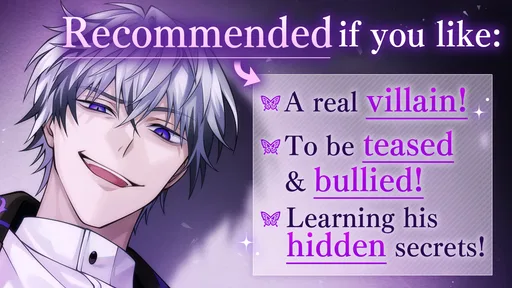
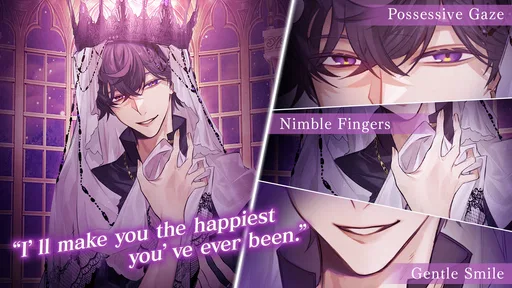
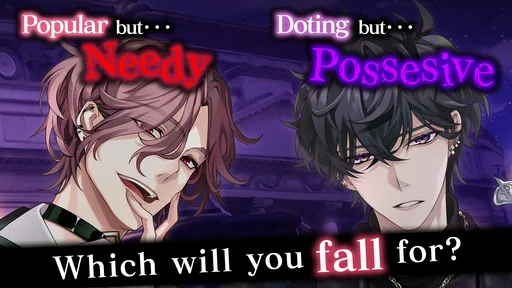
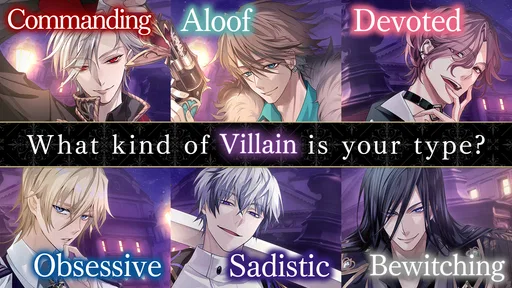
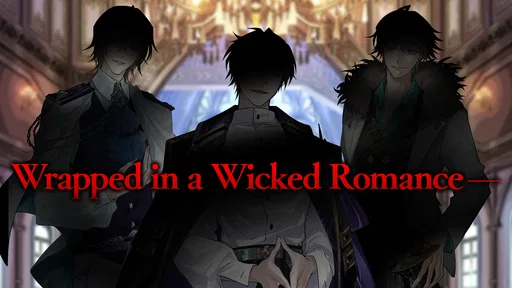
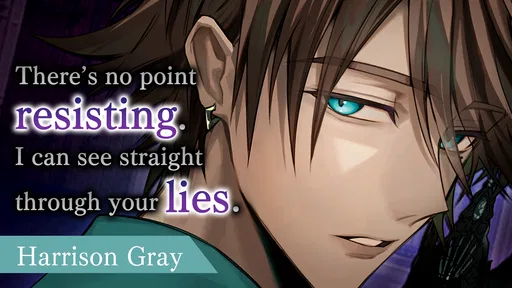

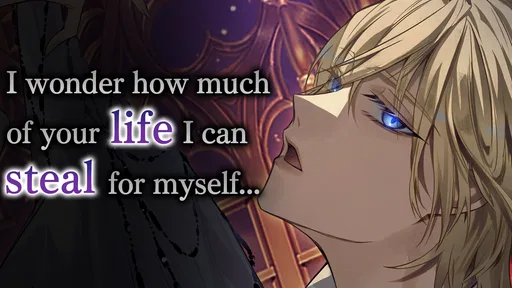
Our Review of Ikemen Villains Otome Game
 Analysis by Appyee
I went into Ikemen Villains Otome Game expecting a story-led romance experience, and that is exactly where its appeal lies: it asks me to spend time with its characters, follow the unfolding drama, and decide whether the atmosphere and pacing suit my idea of an otome game. Developed by CYBIRD, this free simulation game is aimed at players who enjoy romantic fiction with a darker, more mature tone rather than fast action or complicated strategy.
The English release makes it easy to approach if you normally avoid romance games because of language barriers. It is available for Android devices running Android 9 or later, carries a Mature 17+ rating, and includes optional purchases ranging from $0.99 to $64.99 per item. That combination tells me a lot before playing: the main attraction is the narrative journey, while the monetization deserves attention from anyone who prefers a completely uninterrupted free experience.
How the opening creates goals and builds momentum
The first useful question is not whether the game has a huge amount of content, but whether it gives me a reason to continue after the initial introduction. In this kind of otome title, the early goal is usually personal rather than mechanical: I want to understand the cast, identify the character whose personality interests me most, and see how the central situation develops. The game works best when I treat those early scenes as the beginning of a relationship rather than as a tutorial that must be rushed through.
That approach also helps set expectations. This is not the right choice if I want a simulation with detailed resource management, building, or competitive decision-making. Its simulation label describes a story-focused experience, not a traditional management game. I play it for conversations, romantic tension, character discovery, and the anticipation of seeing where a route leads.
I found it more enjoyable when I gave the opening enough attention to establish the personalities instead of immediately judging the game by how quickly it moved. Otome games depend heavily on tone, and the mature presentation here is important. The darker framing will appeal to readers who want something more dramatic than a light school romance, but it may feel uncomfortable or simply unsuitable for anyone looking for an all-ages love story.
A practical early-game tip is to decide what kind of player I am before spending anything. If I am happy reading at a relaxed pace and returning later, the free entry point is enough to test the writing and cast. If I already know that I dislike waiting, interruptions, or purchase prompts in narrative games, I should make that decision early rather than becoming invested and then feeling pressured.
What progress feels like when the story is the main reward
Progress in a romance game is not always shown through a dramatic level-up screen. Here, the meaningful signals are likely to be story developments, changes in how characters interact, and the growing sense that my choices or continued reading are taking me somewhere. I pay attention to those smaller shifts because they are more important than a conventional score. A new emotional detail can feel like a bigger reward than a cosmetic unlock in another genre.
This is also where the game can divide players. Someone who needs constant visible rewards may find a chapter-based romance experience slow, while someone who enjoys gradually interpreting characters may find the same rhythm satisfying. I prefer the latter style, but I would not recommend it to a friend who wants a clear objective every few minutes. The game asks for patience and attention, especially when the story is laying groundwork rather than delivering a major romantic moment.
One of the better ways to play is to treat each session as a short reading appointment. I might open it during a commute, before bed, or during a quiet break, read until a natural stopping point, and return later with the details still fresh. That makes the pacing feel intentional instead of making me wonder why the game is not behaving like a conventional mobile challenge.
Another useful habit is to keep track mentally of which character dynamics interest me most. I do not need a formal spreadsheet for that, but remembering the names, personalities, and unresolved conflicts makes later scenes more rewarding. It also helps me decide whether I want to follow one emotional thread closely or sample the wider cast before committing more time.
The game’s audience response gives some context without replacing personal taste. It has a 4.4 average from around 2.7 thousand ratings, with more than 200 written reviews, and it has passed 100 thousand installs. Those figures suggest that the concept has found a real audience, but they do not guarantee that its specific tone or pacing will work for me. Romance games are especially personal: a character who feels compelling to one player can feel exaggerated or uninteresting to another.
Challenge, choice, and the shape of the difficulty curve
The challenge here is less about reflexes and more about commitment. I need to decide whether I am willing to follow a long-form romance, manage my reading time, and accept that the payoff may arrive gradually. That can be a meaningful form of difficulty, although it will not satisfy players who want puzzles, battles, or increasingly demanding stages.
I would describe the curve as gentle in terms of traditional skill. The harder part is staying engaged while the narrative establishes its world and relationships. If the opening immediately matches my taste, that is easy. If I am uncertain about the cast, the early stretch can feel like work because I am waiting for the emotional hook to become clear.
This is why I would not judge the entire experience after only a few minutes. A story game needs enough time to show whether its characters have depth beyond their first impressions. At the same time, patience should not mean forcing myself through something I dislike. If the mature atmosphere, romantic setup, or writing style does not appeal to me after a fair trial, another otome game with a lighter tone or faster route structure would probably be a better choice.
The most important trade-off is control versus momentum. In a purely linear visual novel, I can simply read and let the author guide me. In a romance simulation, I usually want to feel that my attention matters and that I am moving toward a preferred relationship. The pleasure comes from anticipation, but anticipation can weaken if the game makes progress feel too dependent on waiting or optional spending. I would keep that in mind before treating it as my main daily game.
Because the title is free to start, I can use the opening as a compatibility test. I would pay attention to three things: whether I enjoy the cast without needing external encouragement, whether the reading rhythm fits my schedule, and whether the mature presentation feels like a genuine match for my taste. If those answers are positive, the optional purchases become a personal convenience decision rather than a requirement for discovering whether I like the premise.
Where retention works and where it may feel like pressure
The strongest reason to return is the unfinished emotional thread. I may want to see what happens to a particular character, understand a suspicious relationship, or reach the next turning point. That kind of retention is healthy when the story itself is doing the work. I return because I care, not because I am trying to protect a streak or beat another player.
Still, mobile romance games can create a different kind of pressure through their structure. A free game with optional purchases naturally needs to balance access and revenue, and that can affect how relaxed the experience feels. I am comfortable spending a small amount when a game has earned my interest, but I dislike feeling that the most satisfying pace is reserved for people willing to pay repeatedly. Since individual purchases can reach $64.99, I would set a personal limit before buying anything, especially if the game becomes part of my daily routine.
My advice is to avoid making purchases during an emotional cliffhanger. That is the exact moment when I am most likely to spend impulsively because I want the next scene immediately. Waiting until I have considered how often I play and whether I am enjoying the story consistently gives me a clearer answer. The free starting point is valuable because it lets me separate genuine enthusiasm from temporary curiosity.
The mature age rating also affects retention in a practical way. I would not install this for a younger family member or assume it is suitable for casual shared play. The rating signals that the themes are intended for adults, so I would choose when and where to read it accordingly. That is not a flaw, but it narrows the audience compared with softer romance games.
Another limitation is that narrative retention depends on concentration. If I repeatedly open the game while distracted, I may lose track of emotional details and make the story feel flatter than it really is. I get more from it when I read in focused bursts rather than treating it as background entertainment. Players who prefer games they can play silently, quickly, and with minimal reading may find the format demanding.
Who should play it, and who should choose another kind of game
I would recommend this to adults who enjoy English-language otome games, character-driven romance, and a more dramatic atmosphere. It is a good fit for someone who wants a mobile story to revisit in short sessions and who is comfortable letting relationships develop over time. The free download makes it easy to explore without committing immediately, which is useful when the cast and tone matter more than raw gameplay complexity.
I would also suggest it to players who have outgrown very gentle romance stories but still want the personal focus of an otome game. The Mature 17+ designation makes the intended audience clear, and the darker presentation gives the experience a different identity from a purely cheerful dating story.
I would skip it if I want action, strategy, open-ended simulation, or a strong competitive layer. I would also look elsewhere if I need every important reward to be available quickly without any monetization pressure. A traditional visual novel may be better for someone who wants a more direct reading experience, while a management simulation will be more satisfying for a player who wants systems, planning, and measurable performance.
It is also not ideal for someone who dislikes romance as the central purpose of a game. The characters and relationships are not a side activity attached to another genre; they are the reason to keep playing. Likewise, readers who prefer light comedy may find the mature and darker tone heavier than expected.
My verdict on the long-term progression
After looking at the way its goals, rewards, challenge, and return value fit together, I see this as a focused story experience rather than an all-purpose mobile game. Its progression succeeds when I am emotionally invested in the characters. The next scene, revelation, or relationship shift becomes the reward, and that can be more motivating than a conventional upgrade system.
Its pacing is the main test. I need to accept that progress may feel gradual and that the game’s best moments depend on giving the narrative room to develop. The experience is less convincing when I approach it as a checklist of rapid unlocks. I would rather play a short, attentive session than rush through scenes simply to reach an endpoint.
The current release is version 1.0.8, and I like that the game presents a clear starting point for people curious about CYBIRD’s English otome catalog. I would still keep my expectations measured: a free game with optional purchases is best approached as an ongoing reading experience, not as a promise that every part of the journey will move at the same speed or suit every player.
My final recommendation is straightforward: try it if you want a mature, character-first romance game and enjoy returning to an unfinished story. Start without spending, identify whether the cast and tone genuinely hold your attention, and only then decide whether optional purchases are worthwhile for your habits. The real progression is emotional investment, so the game is strongest when the characters—not the payment prompts—are what make me come back.
For me, that makes it a worthwhile choice for the right audience, but not a universal recommendation. I would happily suggest it to a friend who already enjoys otome fiction and wants an English-language title with a darker edge. I would point an action fan, a strategy player, or anyone seeking a completely pressure-free reading app toward a different option.
Verdict
Strengths of Ikemen Villains Otome Game
- Gothic mystery setting gives the romance story a distinctive atmosphere.
- Each villain has a different personality and relationship dynamic.
- Frequent story updates can keep long-term players engaged.
- Character art and expressions add charm to important scenes.
- Romance routes offer emotional choices beyond simple dialogue selection.
Limitations of Ikemen Villains Otome Game
- The darker themes may not suit players seeking a lighthearted romance.
- Some routes can feel slow when story progress depends on limited resources.
- Understanding every character may require playing several separate routes.
- The interface can feel busy for newcomers to otome games.
- The game may take considerable storage space after downloading extra content.
Similar Picks in This Category
View All
Truckers of Europe 3
Wanda Software4.3

Town Building Life Simulator
XGame Global4.2

Fidget Toys Trading・Pop It 3D
Freeplay Inc4.7

Sculpt People
CrazyLabs LTD4.4

Scary Teacher 3D
Z & K Games4.2

Hair Tattoo: Barber Shop Game
CASUAL AZUR GAMES4.3
Frequently Asked Questions
What is Ikemen Villains: Wrapped in Wicked Romance about?
Ikemen Villains: Wrapped in Wicked Romance is a story-driven otome game for mobile devices. You play as the heroine, becoming involved with a group of attractive but dangerous villains in a dark historical-fantasy setting. The game focuses on romance, mystery, character relationships, and dramatic choices that gradually reveal each man’s secrets and personal struggles.
Is Ikemen Villains free to download and play?
The game is generally free to download, but it uses optional in-app purchases. Players can progress through the main story without necessarily paying, although premium story sections, special illustrations, outfits, items, or faster progression may require in-game currency. It is worth checking the purchase settings before playing, especially if the device is shared with children.
Does the game require an internet connection?
Yes, Ikemen Villains normally requires an active internet connection because story data, events, account information, and purchased content are managed online. You may be able to read some content after it has loaded, but the game should not be considered fully offline. A stable Wi-Fi or mobile data connection is recommended for updates and limited-time events.
What kind of romance and mature content does Ikemen Villains include?
The game is aimed at players who enjoy dramatic otome romance rather than a simple, lighthearted dating story. Its narrative can include danger, morally complicated characters, suspense, references to violence, emotional manipulation, and mature romantic themes. The exact intensity varies by route, so players who prefer softer romance should review the store rating and content warnings before downloading.
Do my choices affect the story and romance routes?
Your choices influence conversations, relationship development, and the way certain scenes unfold, although the overall story structure is guided by the game’s route system. Some decisions may lead to different dialogue, rewards, or story outcomes, while premium choices can sometimes provide additional romantic moments. Reading guides can help, but playing naturally is often more enjoyable for a first playthrough.
Play our best games!


